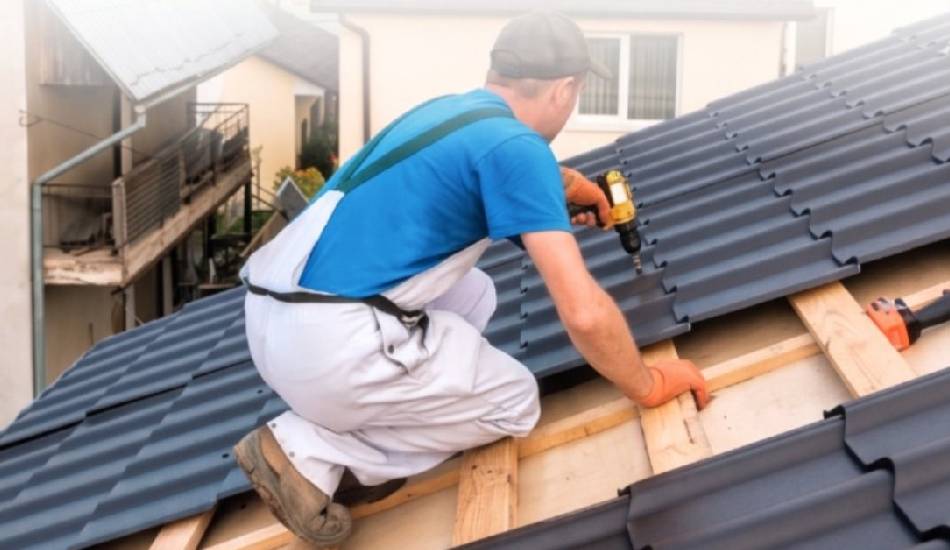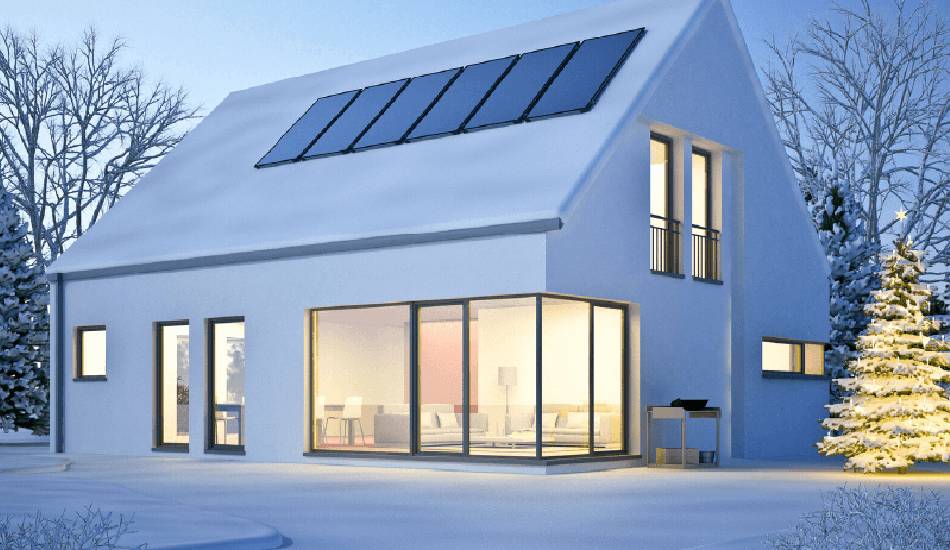
It starts with your roof, not the panels. Orientation, shading from mature trees, roof age and available surface area all shape how much energy a system can realistically produce. A professional energy assessment gives you honest numbers before you spend a dollar — and sometimes the best first investment is roof repairs or efficiency upgrades rather than panels.
Understand your usage pattern. Homes that consume most power during daylight hours offset more of their consumption directly, while evening-heavy households benefit from pairing panels with battery storage. Your utility's net-metering terms matter too, and they deserve as much scrutiny as the hardware itself.
Financing has come a long way. Between green home loans, flexible payment plans and warranty programs that protect both panels and workmanship, going solar no longer requires draining savings. Run the numbers against your current bills, and look at warranties carefully — good systems are built to serve you for decades.
The verdict? For most homes with decent sun exposure, a well-designed solar upgrade pays dividends in comfort, independence and resale appeal. See how we approach it on our solar upgrade services page.